(What foreigners, and even locals, should know before exploring the country)
The Philippines is one of Southeast Asia’s most fascinating countries: a tropical archipelago full of diverse cultures, stunning landscapes, and incredibly warm people. Whether you’re planning to visit, live, or simply learn more about the country, understanding the basics will help you appreciate why millions fall in love with it.
Here’s a beginner-friendly guide to the Philippines, packed with reliable facts, useful tips, and interesting insights.
1. The Philippines at a Glance
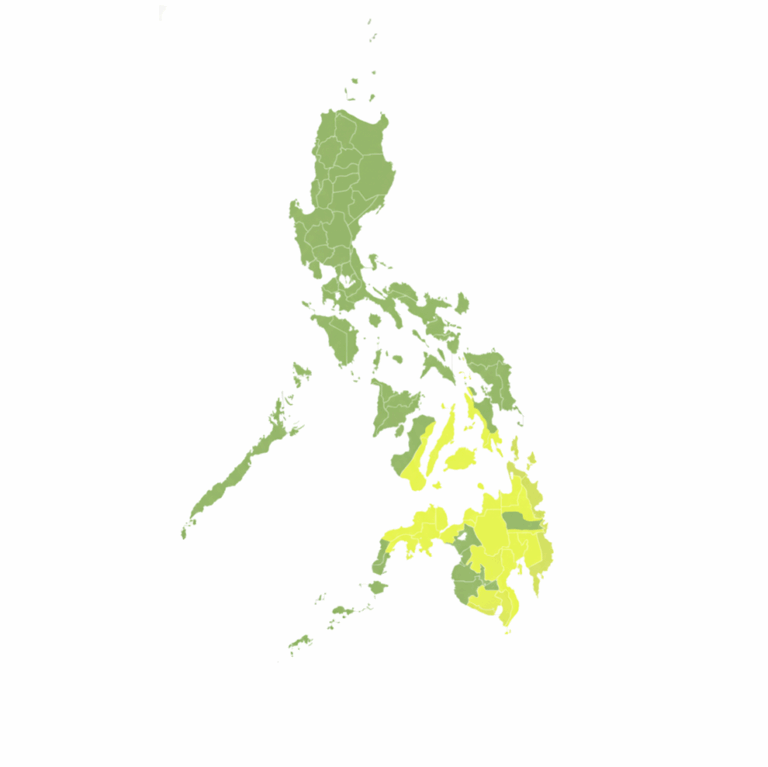
The Republic of the Philippines is an archipelago in Southeast Asia made up of more than 7,600 islands located in the western Pacific Ocean.
- Capital: Manila
- Largest city: Quezon City
- Population: about 114 million people (2026 estimate)
- Land area: about 300,000 square kilometers
- Currency: Philippine Peso (₱ / PHP)
- Time zone: UTC +8
The country is divided into three main island groups:
- Luzon – the political and economic center
- Visayas – known for beautiful islands and beaches
- Mindanao – rich in culture, agriculture, and biodiversity

2. Languages: Why Communication is Easy
One reason foreigners find the Philippines comfortable is the language.
The country has two official languages:
- Filipino (based on Tagalog)
- English
English is widely used in:
- education
- government
- business
- tourism
In fact, the Philippines is one of the largest English-speaking countries in Asia.
However, the country is incredibly diverse linguistically. There are over 80 major language groups and more than 500 dialects spoken across the islands.
Common regional languages include:
- Cebuano
- Ilocano
- Hiligaynon
- Waray
- Bicolano
3. Culture: A Unique Blend of East and West
Filipino culture is a mix of Asian roots and centuries of foreign influence. Trading with the neighboring regions like Southeast Asian nations and with the Chinese merchants was a normal occurrence back in the day. Then at some point in the past, the Philippines was ruled by:
- Spain for more than 300 years
- The United States for nearly 50 years
- And even Japan for three years during World War 2.
Because of this history, the culture blends:
- Asian traditions
- Spanish influence (festivals, names, religion)
- American influence (language, education, pop culture)
One notable fact: the Philippines is the largest Christian nation in Asia, with the majority of Filipinos being Roman Catholic. But Philippines is home to various other religions also such as Islam, Buddhism, and others.
Filipinos are widely known for:
- hospitality
- strong family ties
- celebrations and festivals
- love for music and karaoke
4. Geography and Nature
The Philippines is famous for its natural beauty.
It has:
- 36,000+ km of coastline (36,289 kilometers / 22,549 miles)
- thousands of tropical beaches
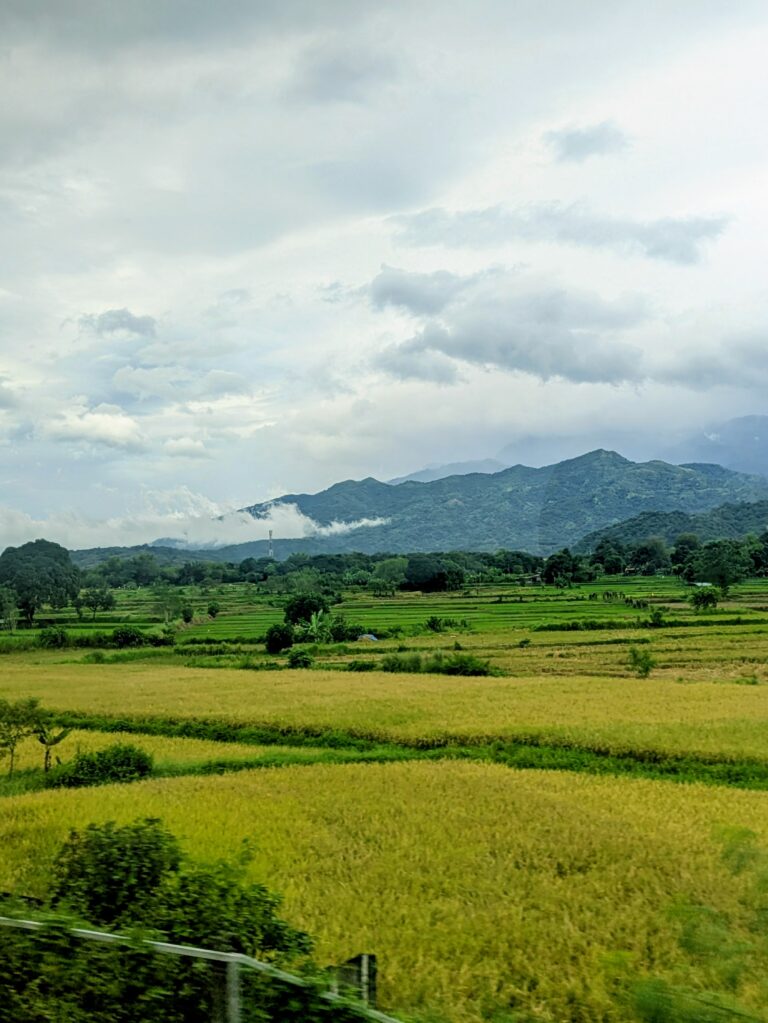
- dense forests and mountains
- coral reefs and rich marine life
The country is also considered one of the world’s megadiverse nations, meaning it contains extremely high biodiversity.
Famous destinations include:
- Palawan
- Boracay
- Cebu
- Bohol
- Siargao
- Banaue Rice Terraces
Many species of plants and animals found in the Philippines exist nowhere else on Earth.
5. Weather and Climate
The Philippines has a tropical climate, meaning it is generally warm all year.
Typical temperature:
23°C – 32°C
The country usually experiences two main seasons:
- Dry season/Summer: March – May
- Rainy season: June – February
It is important to remember that it’s not guaranteed that summer days will always be sunny and the rainy season will always have rainy days. The country is located in the Pacific typhoon belt, so tropical storms occasionally occur, sometimes, even during summer season.
Despite this, most destinations remain visitable year-round.
6. Government and Society
The Philippines is a constitutional democratic republic with three branches of government:
- Executive
- Legislative
- Judicial
The President serves as both head of state and government.
The country is also divided into:
- 17 regions
- 81 provinces
- 145 cities
- 1,489 municipalities
Local communities are organized into barangays, the smallest administrative unit.
7. What Makes the Philippines Special
Many travelers describe the Philippines as different from other Asian countries because of several unique traits.
Friendly and welcoming people
Hospitality is deeply rooted in Filipino culture.
Western familiarity
English signage, Western brands, and American-style education make it easy for most foreigners to adjust.
Island diversity
Each island has its own culture, unique cuisines, and dialect.
Festivals and celebrations
The Philippines has thousands of festivals every year, often colorful and deeply tied to local history. Among the biggest ones are:
8. Practical Things Visitors Should Know
Before visiting the Philippines, here are a few helpful basics:
Electricity:
- 220 volts is standard.
Driving:
- Vehicles drive on the right side of the road.
Currency:
- Philippine Peso (₱)
Calling code:
- +63
Internet domain:
- .ph
Most large malls, hotels, and restaurants accept international credit cards.
The Philippines is more than just beaches. It is a country shaped by history, culture, and thousands of islands filled with unique communities.
For visitors, it offers:
- breathtaking natural beauty
- welcoming people
- diverse languages and cultures
- unforgettable food and festivals
And for locals, it is a reminder that the Philippines is not just a destination, it is a vibrant, evolving nation with a story still being written.